Key Takeaways
- AI touches every stage of the automotive lifecycle -- from design and manufacturing to the driving experience and aftermarket services -- using real-time data and intelligent automation.
- Vehicle telemetry and digital twins are the backbone technologies that make most automotive AI use cases possible.
- Start small: pick one KPI (manufacturing yield, downtime, or customer satisfaction), run a pilot on a single line or service area, then scale with proper oversight.
Why Automotive Needs AI Now
Cars are becoming software platforms. Customers expect connected, intelligent experiences, and competitors are racing to deliver them. In this environment, AI is not a nice-to-have -- it is the technology that lets automakers redesign vehicles faster, run factories more efficiently, keep supply chains moving, and delight drivers once they are behind the wheel.
The numbers back this up. Manufacturers that have rolled out AI report roughly 40% gains in production efficiency and 35% improvement in supply-chain performance. More importantly, customer satisfaction scores climb because the vehicle itself becomes smarter over time through over-the-air updates and personalized features.
Practical Applications Across the Value Chain
AI is already solving real problems in automotive -- cutting defect rates, predicting part failures before they happen, and making the cabin feel like it knows the driver. Below are six high-impact areas where teams are seeing measurable results.

- Generative Design and Simulation: AI tools explore thousands of component shapes and material combinations that human engineers would never try, then run virtual crash and stress tests -- shaving months off development cycles.
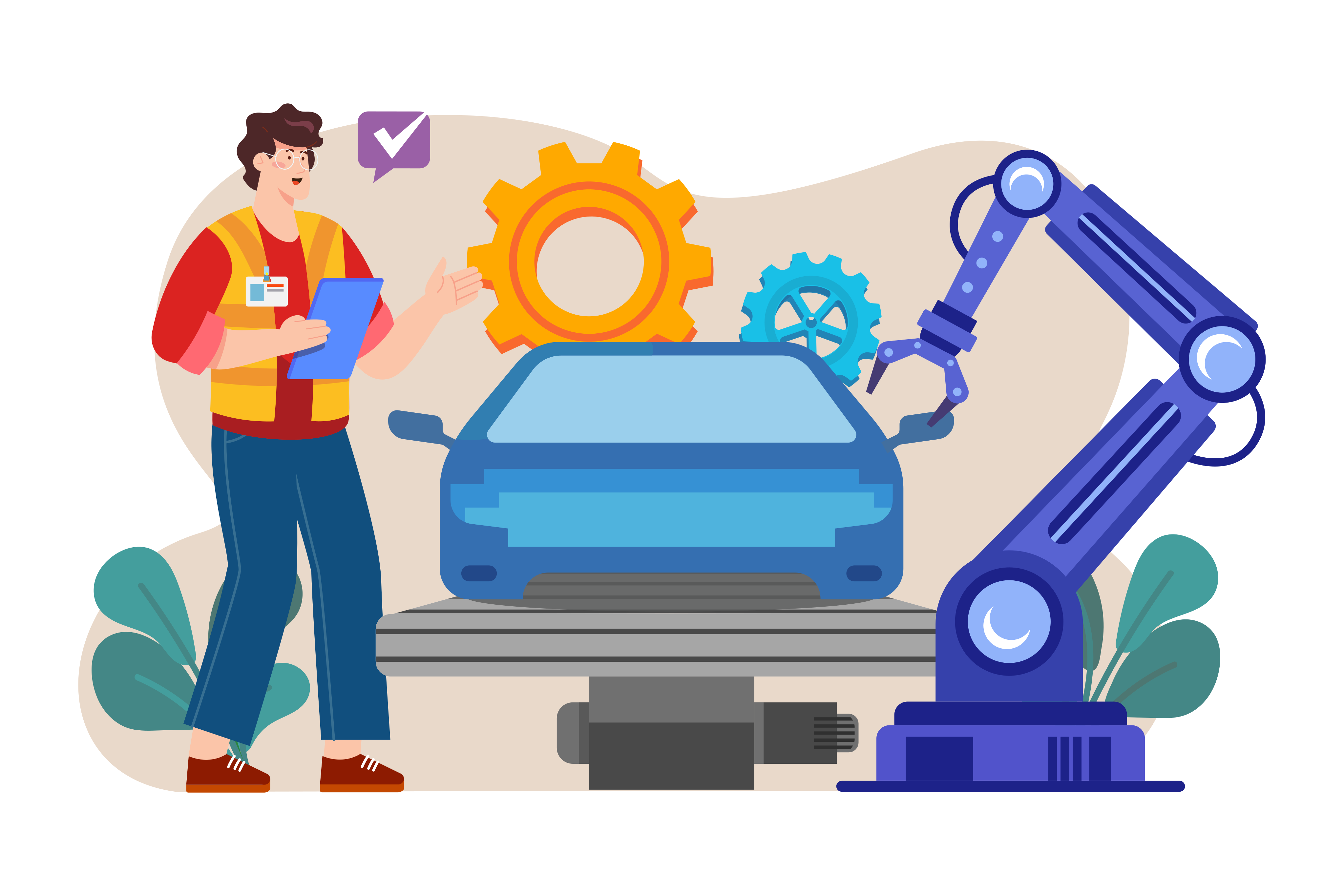
- Vision-Based Quality Inspection: Cameras on the production line feed images to models that spot paint defects, weld gaps, and misaligned parts in real time, catching issues that slip past human inspectors.
- Predictive Maintenance for Factory Equipment: Sensors on presses, robots, and conveyors stream data to models that flag wear patterns early, so maintenance crews fix machines during planned windows instead of scrambling after a breakdown.
- Supply Chain Risk and Inventory Optimization: Models ingest supplier lead times, shipping data, and demand signals to surface shortages before they hit the line and right-size inventory levels across warehouses.
- Personalized In-Vehicle Assistants: Voice-driven AI learns driver habits -- preferred routes, climate settings, media -- and adapts proactively, turning the car into a context-aware companion rather than a static machine.
- Telematics and Usage-Based Insurance: Driving-behavior data powers pay-how-you-drive insurance models and unlocks new revenue streams for OEMs through value-added connected services.
Building the Technical Foundation
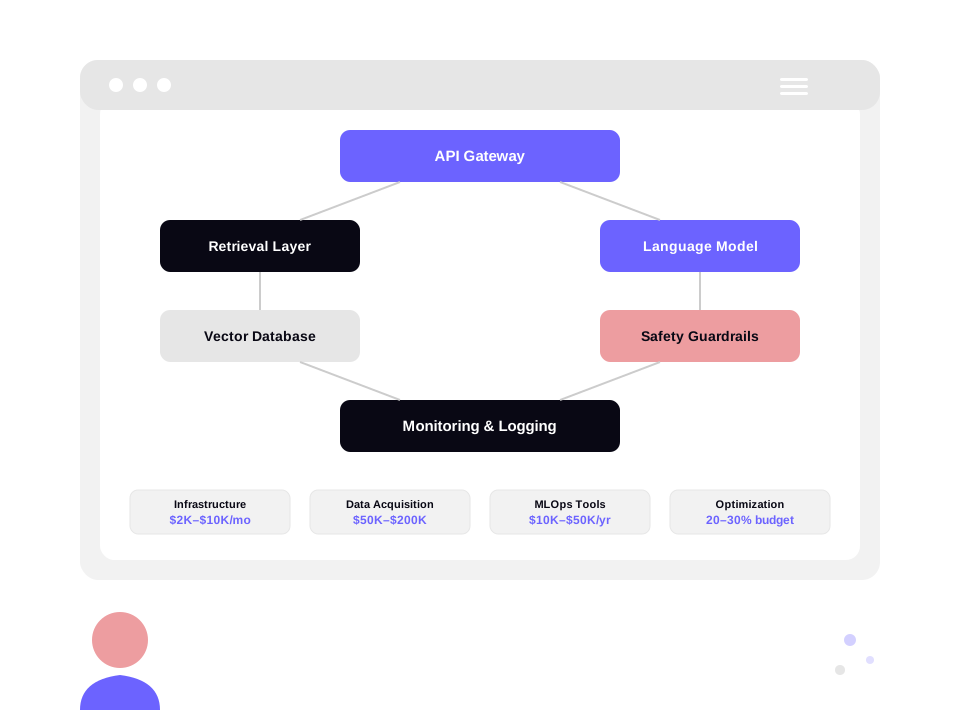
Making AI work in automotive means wiring together vehicle telemetry, digital twins, edge devices on the factory floor, and cloud analytics -- all communicating reliably. The architecture has to handle harsh environments, safety-critical latency requirements, and data volumes that grow with every connected vehicle on the road.
Getting Started: A Step-by-Step Approach
The fastest way to fail with automotive AI is to try to do everything at once. The teams that succeed pick a single pain point, prove value quickly, and expand from there -- always keeping safety and data governance front and center.
- Audit Your Telemetry and Data Access: Map out what vehicle and factory data you already collect, who owns it, and what governance gaps exist. You cannot train reliable models on messy, ungoverned data.
- Pick One KPI and Run a Focused Pilot: Choose a metric that matters -- first-pass yield on a weld line, unplanned downtime on a press, or NPS for a connected-car feature -- and deploy a model against it. Keep scope narrow so you learn fast.
- Build MLOps and Safety Processes Before You Scale: Put monitoring, drift detection, and rollback procedures in place while the deployment is still small. Automotive AI must meet safety standards, and retrofitting governance later is painful.
Ready to Move?
Let us help you bring AI into your automotive operations -- with clear ROI and a realistic timeline.
We will map out your first pilot, choose the right architecture, and get you to production.
Consult Our Experts