AI System Integration
We connect AI capabilities to your core business systems like CRM, ERP, and databases. This service is ideal for companies that want to automate decisions and insights within their existing infrastructure.


We connect intelligent capabilities to the systems you already use. No rip-and-replace, no disruption — just smarter operations that build on what you have today.
Get Your Integration PlanTrusted by startups and global leaders









We help businesses add intelligence to their existing systems without starting over. Our services focus on practical integration that works with your current tools, teams, and workflows.
We connect AI capabilities to your core business systems like CRM, ERP, and databases. This service is ideal for companies that want to automate decisions and insights within their existing infrastructure.
We integrate third-party AI APIs and custom AI models into your applications. Perfect for businesses looking to add features like chatbots, recommendations, or data analysis to their current software.
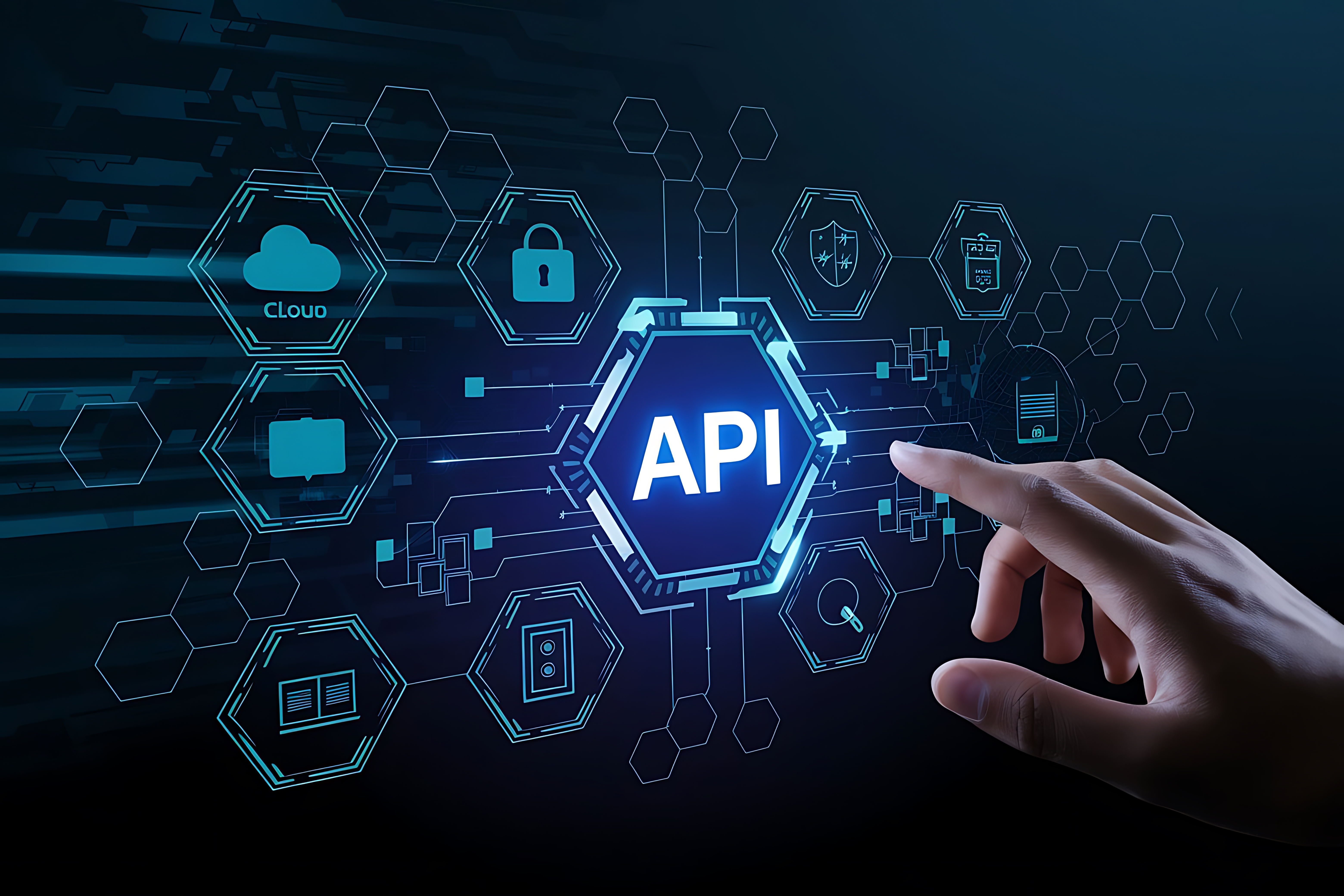
We modernize older systems by adding AI capabilities without replacing them. This works well for established companies with reliable legacy systems that need smart features.

We deploy AI across large organizations with multiple systems and departments. Designed for enterprises that need coordinated AI implementation with proper security and governance.

We automate repetitive business processes using AI while keeping human oversight. Best for teams that want to reduce manual work without losing control over critical decisions.

Let us review your current setup and identify potential roadblocks. You'll get a clear picture of what needs attention before you invest in any AI integration work.
Schedule a Technical Review
Reduction in Manual Processing Time
Faster Decision Making with AI Insights
Integration Success Rate on First Attempt
Average Time to Initial Value
Many providers can integrate AI into your systems. We focus on making those integrations actually work for your business day-to-day, not just technically function.
We start with your operational goals, not technology capabilities. This means your AI integrations solve real business problems rather than just adding technical features.
We integrate AI into your existing workflows without forcing major changes. Your teams keep using familiar tools while gaining new capabilities.
You'll see exactly what we're building and why at each stage. No black boxes, no surprises—just clear communication about progress and decisions.
We build integrations that can grow with your business needs. Our solutions handle increased usage and additional features without requiring complete rebuilds.
You work directly with the engineers building your integration. No account managers or salespeople filtering technical conversations.
We're not a typical consulting firm. Our integration team consists of engineers who have actually built and deployed systems in production environments. When you work with us, you get people who understand the complexity of connecting new AI capabilities to existing infrastructure without breaking what already works.

These engineers have spent years connecting disparate systems in real companies. They know where integrations typically fail and how to prevent those issues before they impact your operations.

Our data architects focus on making information flow reliably between your existing systems and new AI capabilities. They prioritize data quality and consistency over flashy features.

These team members ensure your new AI components work seamlessly with current infrastructure. They've managed migrations and system upgrades for companies of all sizes.

Our analysts translate technical capabilities into business outcomes. They work directly with your teams to understand workflows and ensure integrations solve actual problems.

These managers coordinate between your internal teams and our specialists. They keep projects moving while maintaining clear communication about progress and challenges.
Every industry has its own systems, workflows, and pain points. We work with companies to integrate AI capabilities into their existing infrastructure without disrupting operations. Our approach focuses on solving specific business challenges rather than implementing technology for technology's sake.
Building AI capabilities is one thing. Making them work reliably with your existing systems is another challenge entirely. Most companies struggle with connecting new AI tools to established workflows without breaking what already works.
Older platforms weren't built with AI in mind. Getting them to communicate with modern AI tools often requires custom middleware and extensive testing.
AI models need clean, consistent data to work properly. Most companies have fragmented data across multiple systems with different formats and quality standards.
Adding AI components can slow down existing systems or cause unexpected failures. Teams worry about disrupting operations during deployment.
Most developers know how to build applications, but few have experience connecting AI services to complex enterprise environments safely.
AI integrations often require sharing data with external services. This creates security concerns and compliance challenges that many teams aren't prepared to handle.

Different business problems need different integration approaches. We help you choose the right method based on your existing systems, data availability, and operational requirements. The goal is always the same: make AI work reliably with what you already have.
We choose technology based on what works reliably in production environments. Our stack focuses on tools that integrate well with existing enterprise systems, scale predictably, and can be maintained by your team after deployment.
Different integration projects need different technologies. We select tools based on your existing infrastructure, security requirements, and operational needs. The goal is always to add AI capabilities without disrupting what already works.
Connect your existing systems to external AI services through standard APIs. This approach works well when you need quick deployment and have reliable internet connectivity.

Process information through AI models before it reaches your business systems. Useful for data quality checks, forecasting, and automated reporting.

Run AI models directly on your infrastructure. Best for sensitive data, real-time requirements, or when internet connectivity isn't reliable.

Add AI decision points to existing business processes. Helps automate routine tasks while keeping human oversight for important decisions.
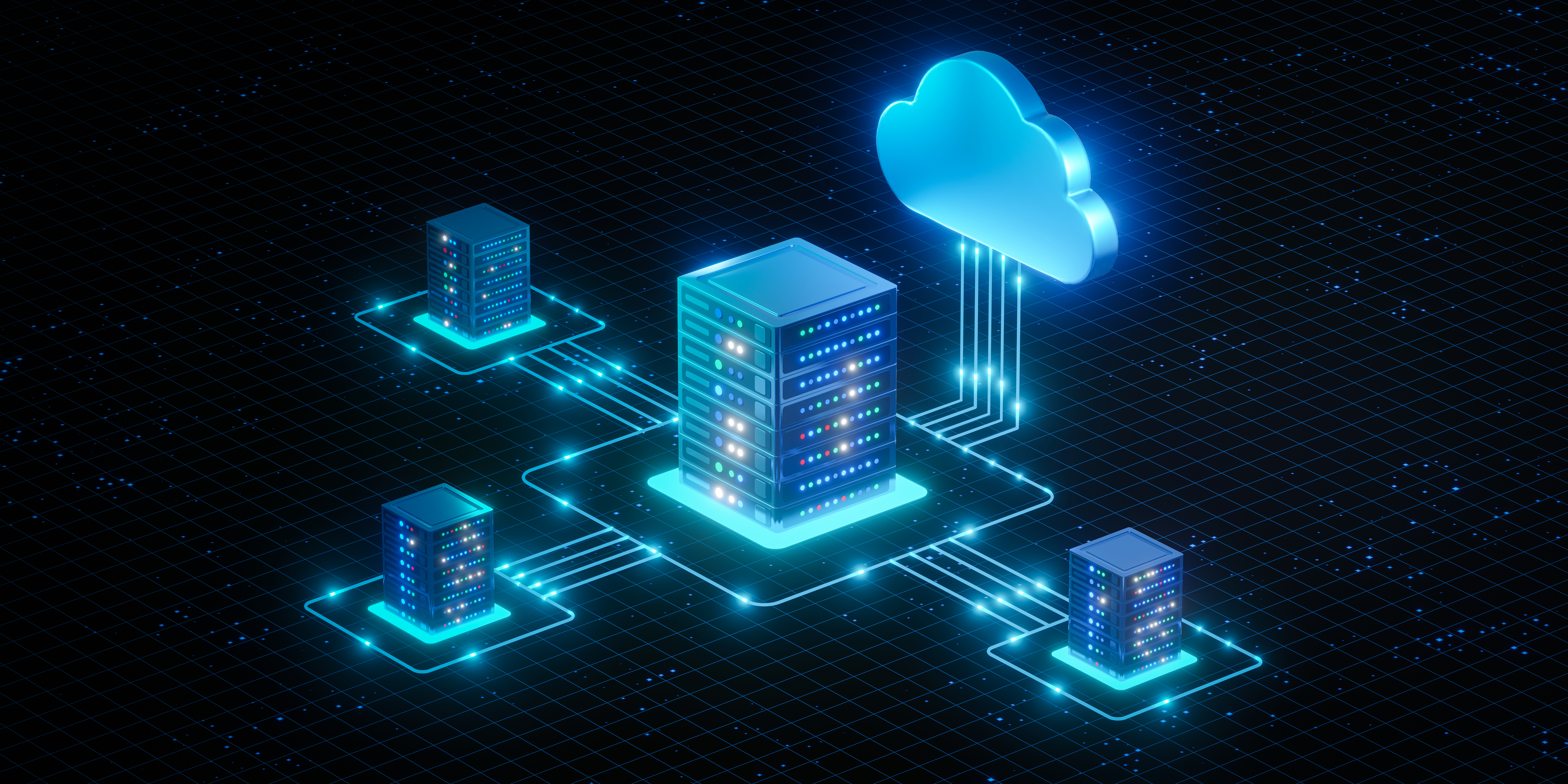
Process data and generate AI insights instantly. Used for customer interactions, fraud detection, and other time-sensitive applications.
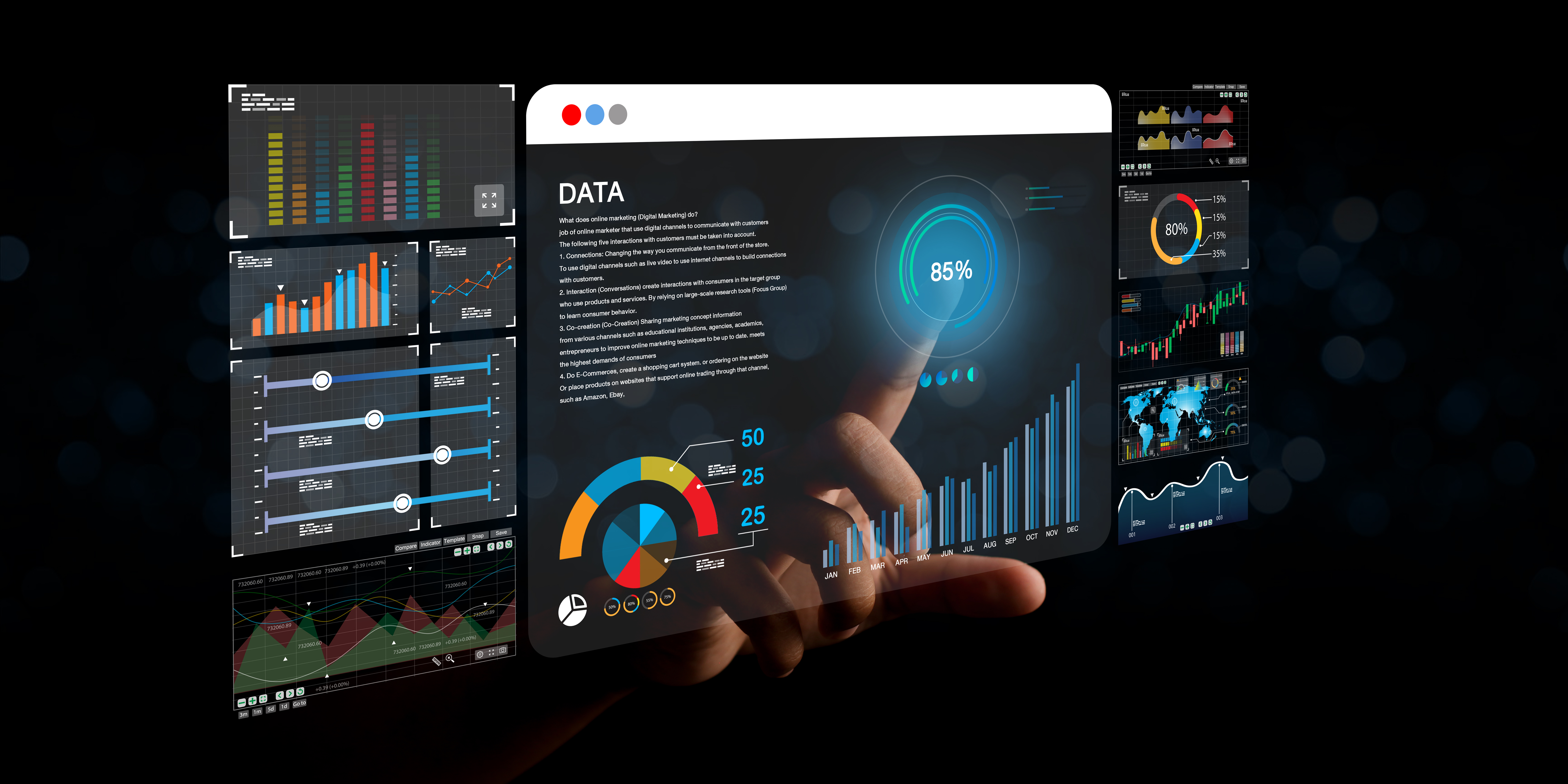
Analyze large volumes of data on a schedule. Works well for reporting, trend analysis, and applications that don't require immediate results.
Every integration project starts with understanding your current systems and goals. We can walk through your specific situation and outline what a practical implementation would look like for your organization.

Reducing charting time by 70% with AI-powered clinical documentation, smart code suggestions, and automated billing — so clinicians can focus on patient care.
Business results:

Accelerating drafting by 60% with AI-powered contract intelligence, jurisdictional context engines, and automated compliance scoring — so legal teams can focus on strategy, not paperwork.
Business results:

Building a trust-centered social ecosystem with AI personalization, real-time moderation, and sentiment analytics — improving engagement by 70% and achieving 95%+ harmful content detection accuracy.
Business results:

An autonomous AI-driven cryptocurrency trading system combining predictive analytics, social sentiment intelligence, and automated risk management — achieving MAPE under 5% and 15% monthly ROI improvement.
Business results:

Delivering pixel-accurate brain MRI segmentation with 90%+ Dice accuracy — reducing radiologist review time by 60% and enabling real-time stroke triage through AI-assisted neurological diagnostics.
Business results:

Improving scheduling efficiency by 45% with AI-driven conflict resolution, predictive workload balancing, and automated onboarding for distributed teams.
Business results:
Real-time avatar feature detection and segmentation for gaming, e-commerce, and social experiences — achieving 97% segmentation accuracy and enabling commerce-ready virtual try-ons.
Business results:
Discover how our AI solutions have transformed businesses across industries, delivering measurable results and competitive advantages through cutting-edge technology and strategic implementation.
Bonami's AI platform revolutionized our content creation process. Their natural language generation tools helped us scale our content production by 300% while maintaining exceptional quality and brand voice.

Integration projects succeed when everyone understands what happens next. We've developed our process through real projects with real companies. Each stage is designed to keep your team involved while we handle the technical complexity.
We document your current infrastructure, data flows, and integration points. Your IT team works with ours to identify constraints and requirements.
We create the technical architecture showing exactly how AI components will connect to your existing systems. You review and approve before development starts.
We build integrations in a staging environment. Your team validates functionality and performance before anything touches production systems.
We deploy during scheduled maintenance windows. Your team monitors while we handle implementation and have rollback plans ready.
We document the integrations and train your team on ongoing management. You get full visibility into how everything works and how to maintain it.
We remain available for questions and optimizations. Most clients schedule quarterly reviews to ensure everything continues working as expected.
Schedule a consultation with our development team to explore your requirements and solution options.
We start by mapping your current infrastructure and identifying integration points. Then we design a connection strategy using APIs, data pipelines, or embedded models depending on what works best for your environment.
We deploy integrations during scheduled maintenance windows and test everything in staging first. Most clients see minimal disruption, and we have rollback plans ready if needed.
We provide ongoing support and can typically resolve issues within hours. Your team also gets documentation and training to handle common problems independently.
Usually not. Most of our work involves connecting AI capabilities to systems you already have. We only suggest replacement when current technology can't support the integration.
Simple integrations can be done in 4-6 weeks. Complex projects usually take 3-4 months. We'll give you a clear timeline after the initial system assessment.
We remain available for questions and optimizations. Most clients schedule quarterly check-ins to review performance and plan improvements. Emergency support is available when needed.
We use standard security practices like encryption and access controls. We also work with your IT team to ensure all integrations meet your company's security requirements and compliance standards.